 Eudaimonic Inc.
Company
We build DeepSpace — the app engine.
A real-time, collaborative platform and SDK for shipping full-stack apps without the infrastructure work.
What we do
DeepSpace is a real-time application platform and developer SDK. We handle the infrastructure that every app rebuilds from scratch — auth, database, realtime sync, file storage, scheduled jobs, AI integrations, hosting — so builders can focus on the product itself.
The problem we solve: AI made it dramatically cheaper to write code, but the cost of turning code into something people can actually rely on hasn't moved. Most prototypes die between “works on my laptop” and “multi-user app on the internet.” DeepSpace closes that gap.
Our customers are developers shipping real-time and collaborative apps — and builders who want a hosted platform where apps work instantly across web and mobile, with users, payments, and discovery built in.
Products
DeepSpace Platform
LiveDescribe an app, get it live. DeepSpace turns natural-language prompts into working software with a real backend, real users, and a sharable URL — in seconds, not sprints. Refine by chatting; deploy in one click.
Also includes
A multiplayer surface where apps, widgets, and documents live side by side.
Your personal collection — apps you've built or forked.
Discover apps shipped by other users — instantly usable, no setup.
DeepSpace SDK
Public · npmA full-stack framework for shipping real-time, secure, scalable apps to a custom domain in minutes. One package bundles auth, realtime data subscriptions, RBAC, messaging, file storage, collaborative editing (Yjs), cron, and agentic chat. Apps run on Cloudflare Workers + Durable Objects with zero-config deployment. Designed for both human developers and the agents writing code on their behalf.
import { useQuery, useMutations } from 'deepspace'

export function Todos() {
  const { records } = useQuery<Todo>('todos')
  const { create, put } = useMutations<Todo>('todos')

  return <ul>
    {records.map(r => (
      <li key={r.recordId}
          onClick={() =>
            put(r.recordId, { done: true })}>
        {r.data.title}
      </li>
    ))}
  </ul>
}$ npm create deepspace@latest my-app
✓ Scaffolded my-app/
$ npx deepspace login
✓ Signed in
$ npx deepspace deploy
✓ Building app...
✓ Uploading to Cloudflare...
✓ Deployed
Live at https://my-app.app.space
Demos
See the platform and SDK in action.
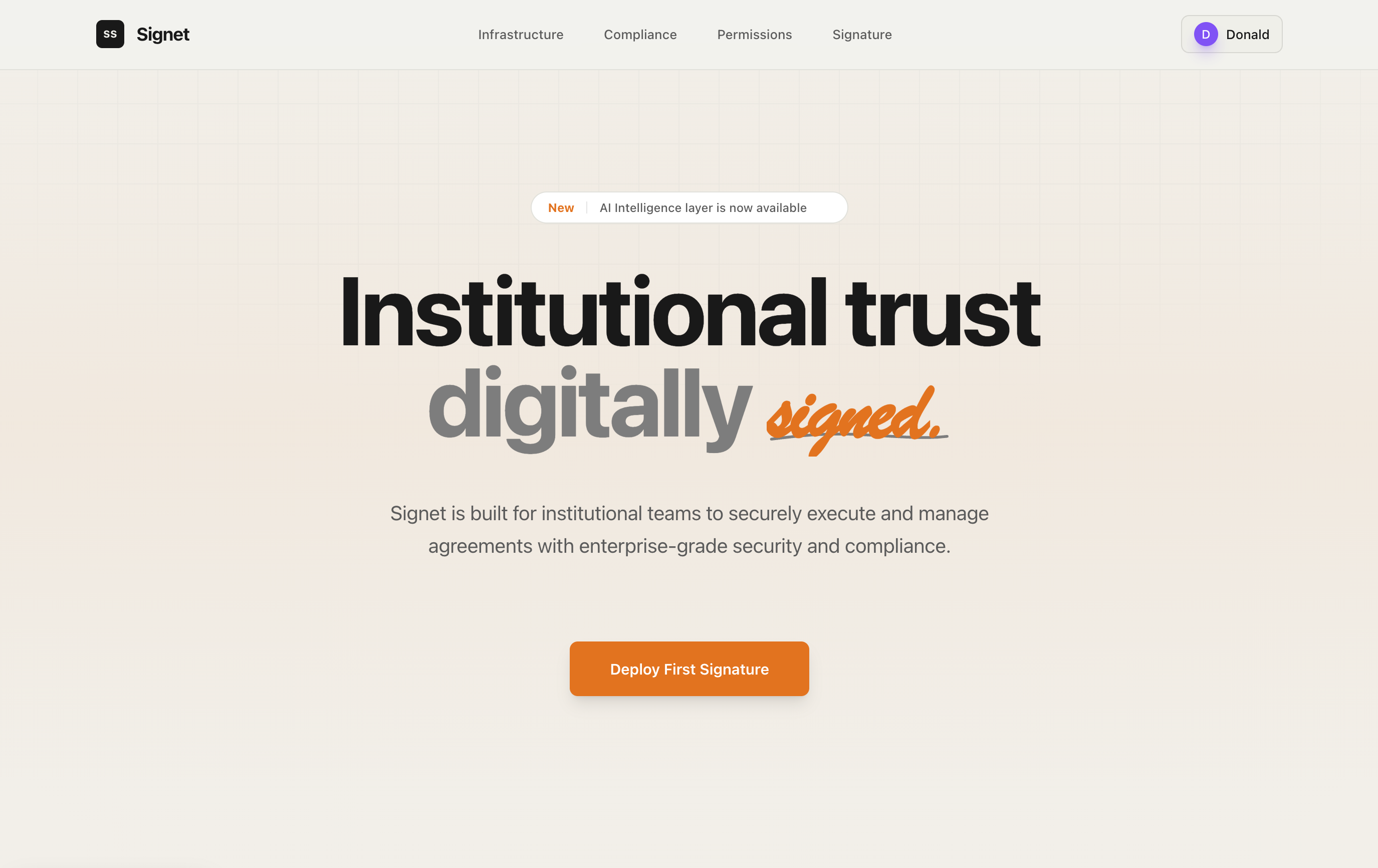
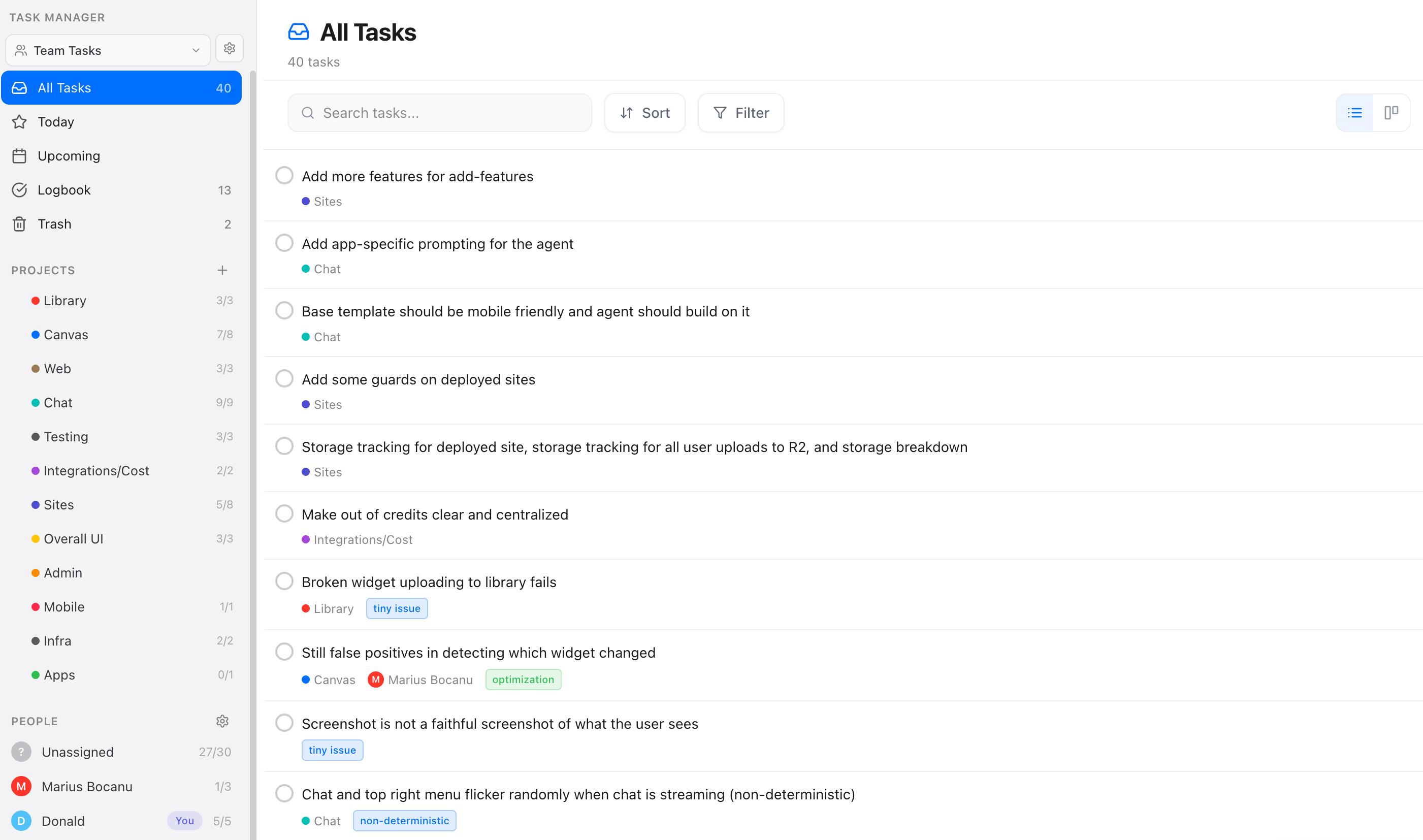
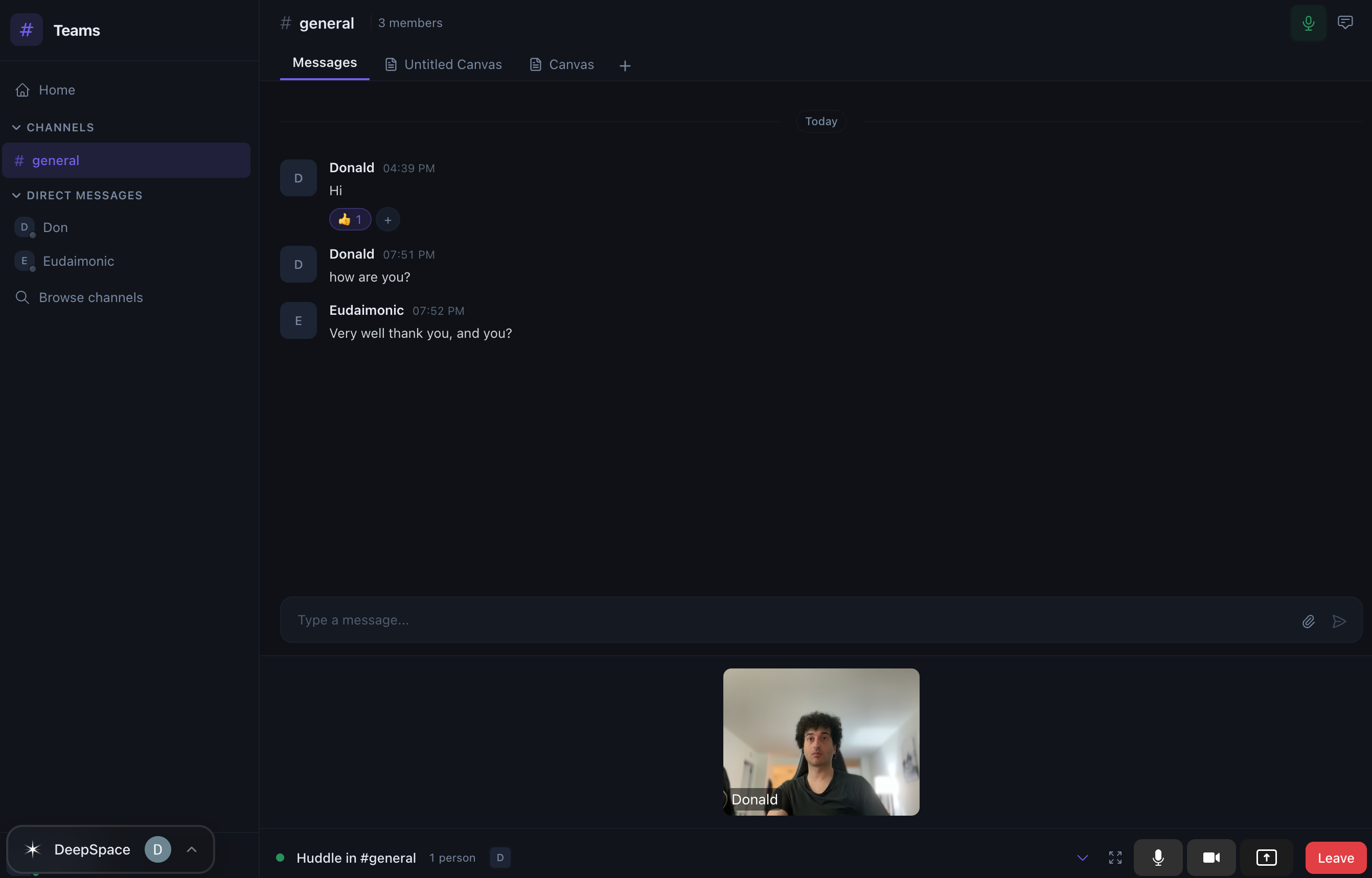
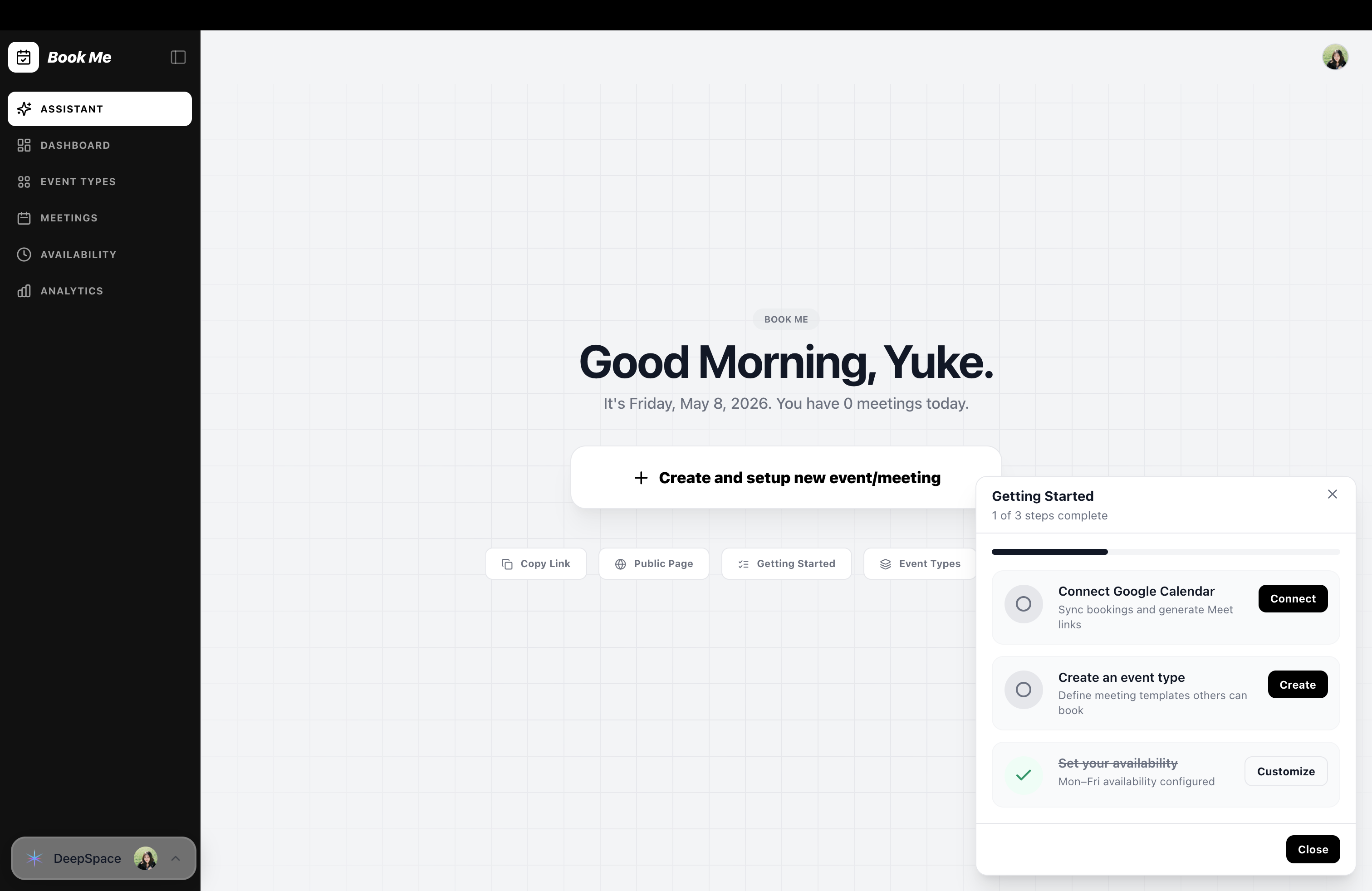
Built on DeepSpace
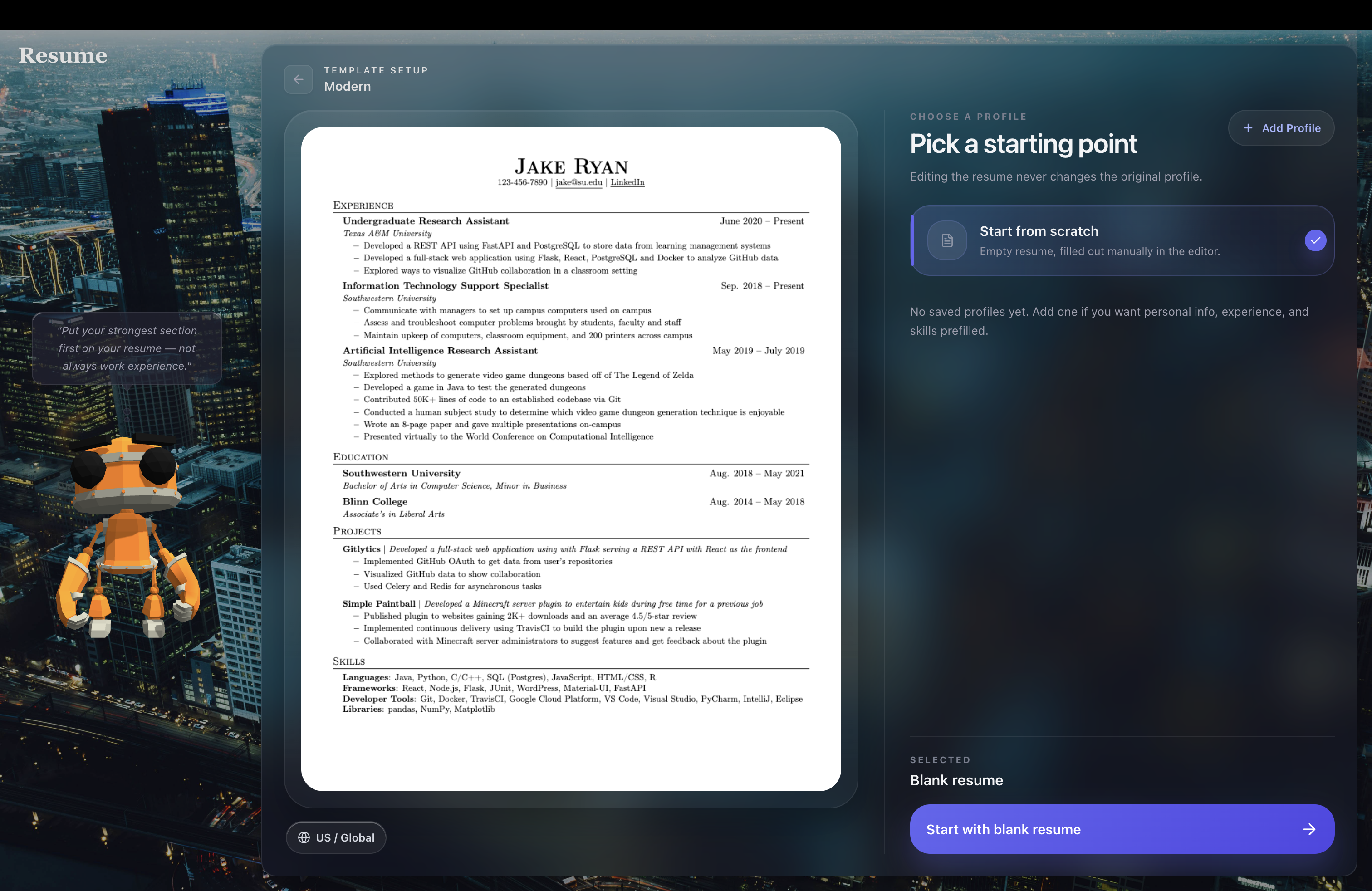
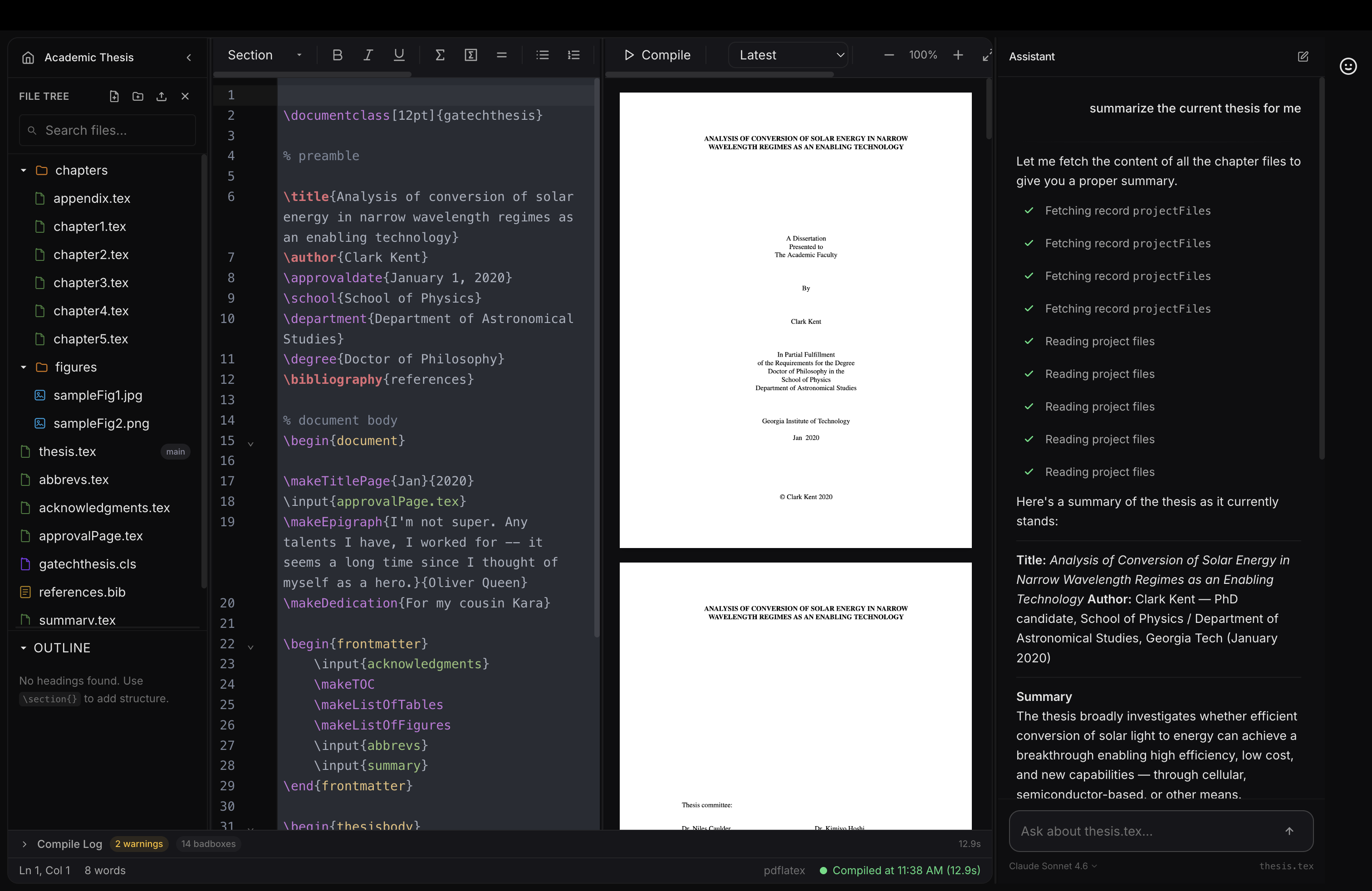
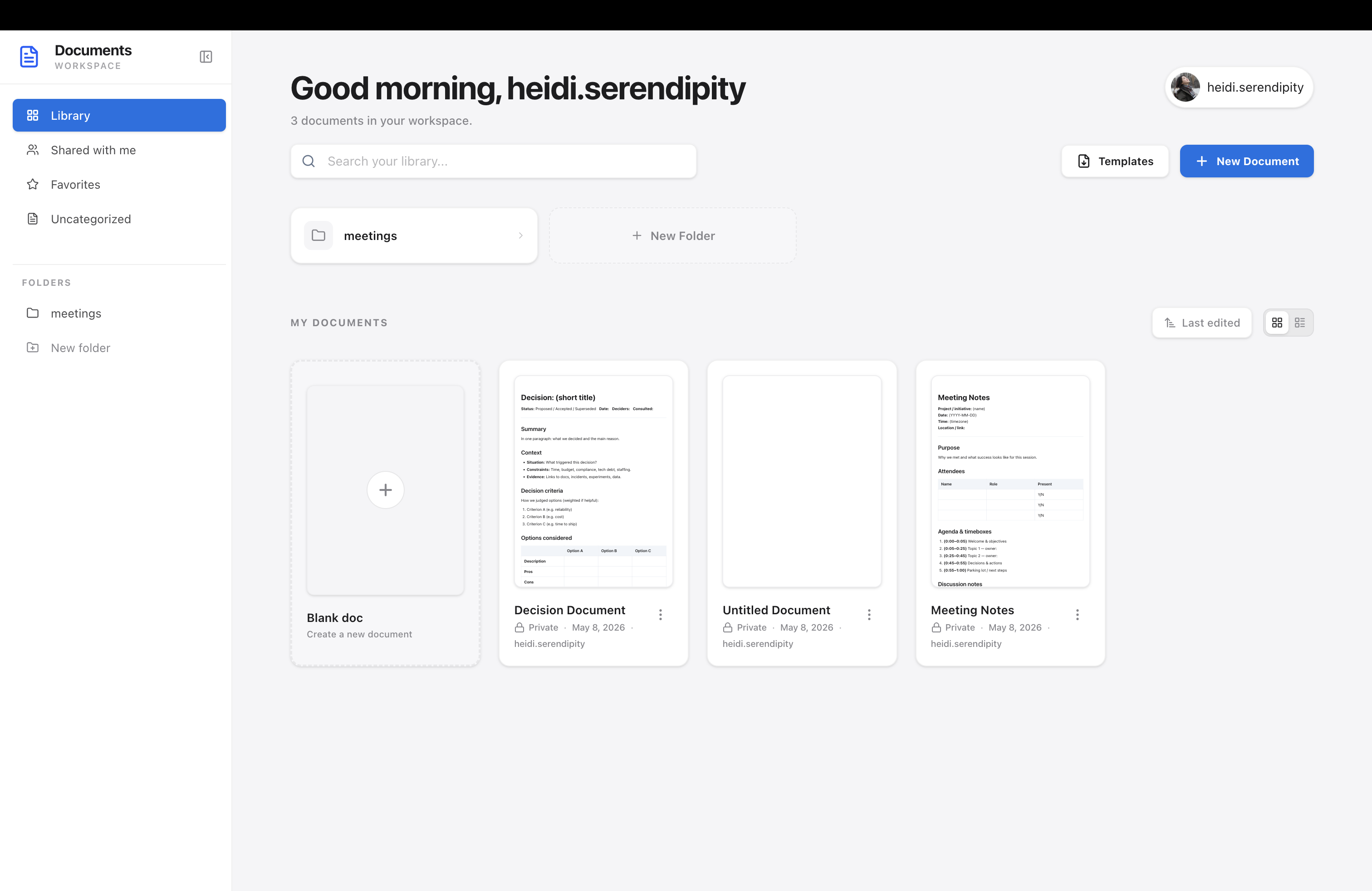
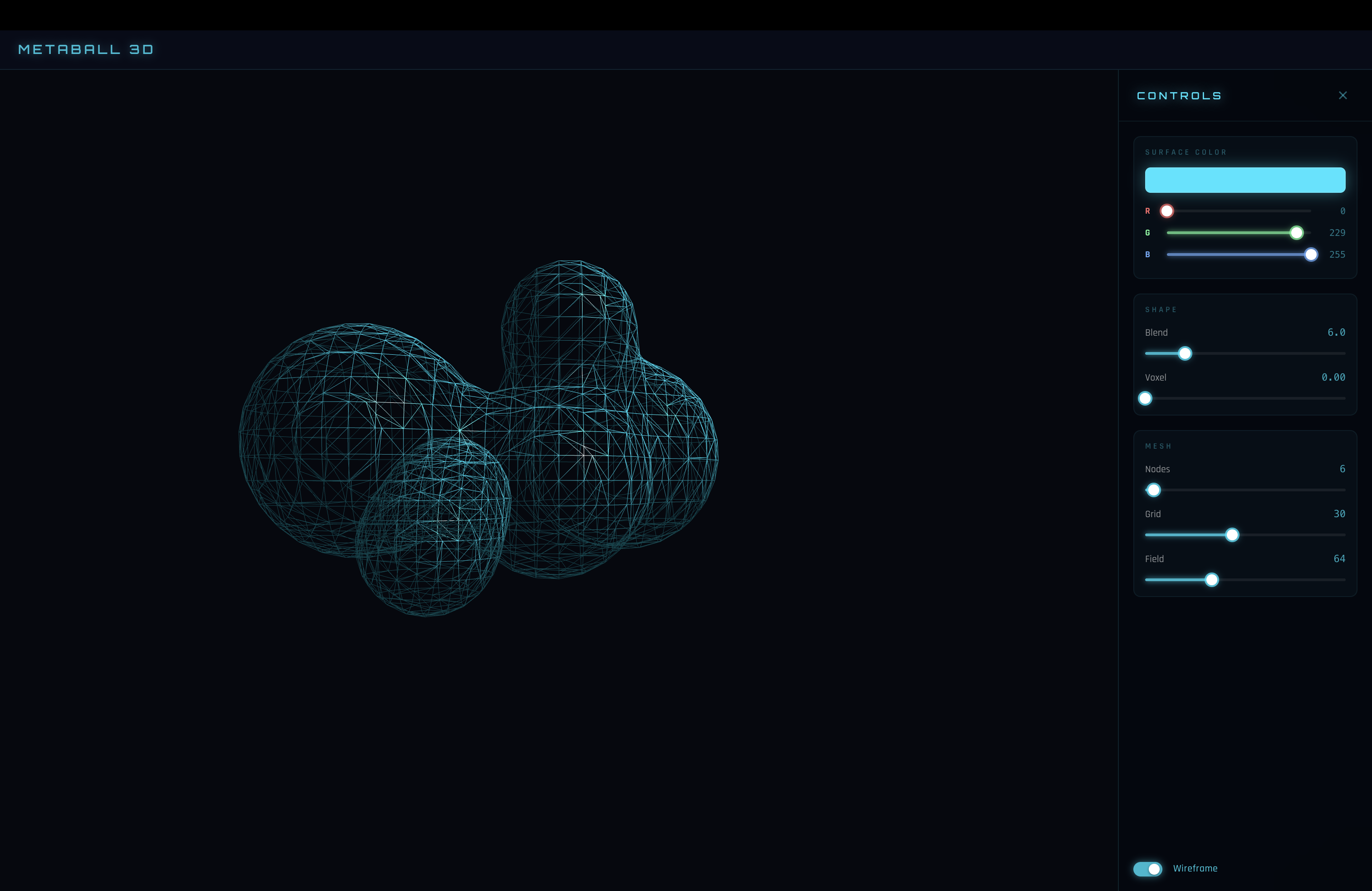
A few live apps shipped on the platform and SDK. Click to open.
Team



Advisors

Eudaimonic Inc. is a pre-seed company building DeepSpace.